Greatest Football Players of All Time
Who is the true GOAT of association football? A comprehensive, evidence-based exploration of Pelé, Maradona, Messi, Cristiano Ronaldo, and the titans who shaped the beautiful game.
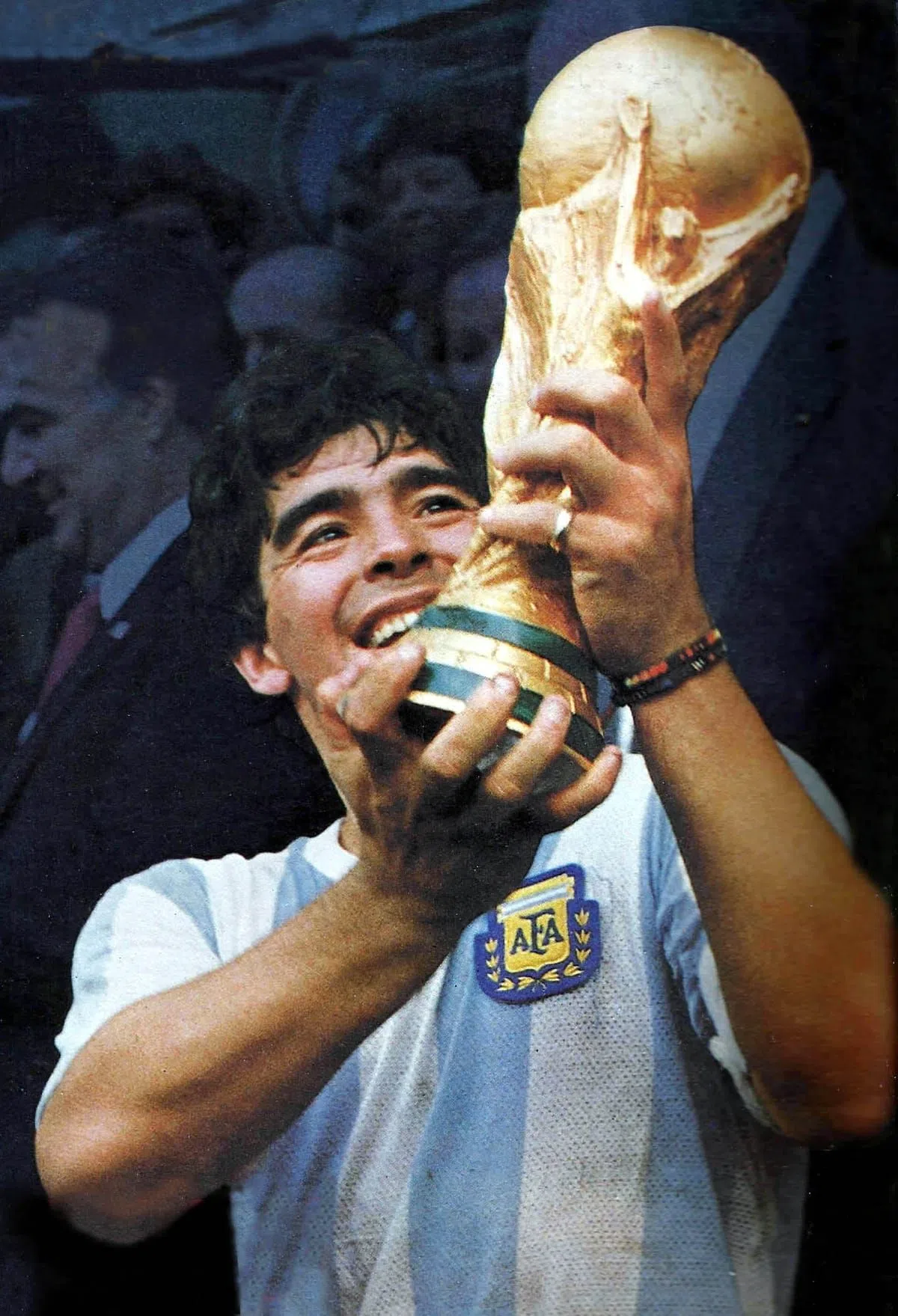
Table of Contents
Key Guide Takeaways
- Pelé is the only player to win three FIFA World Cups (1958, 1962, 1970).
- Maradona carried Argentina and Napoli to legendary triumphs through individual genius.
- Lionel Messi holds a record eight Ballon d’Ors and won the 2022 World Cup in Qatar.
- Cristiano Ronaldo is the all-time top scorer in international football and the Champions League.
- Cruyff and Beckenbauer fundamentally reinvented the tactical nature of the sport.
How We Evaluate All-Time Greatness
Determining the greatest football player of all time requires balancing peak brilliance, longevity, trophy haul, statistical volume, and cultural impact across disparate eras with vastly different tactical systems, pitch qualities, and sports medicine standards.
While cross-era comparisons remain subjective, our evaluation framework weighs five core pillars: individual technical mastery, peak performance in international tournaments (World Cups, Continental Championships), dominance in elite club football (Champions League / Copa Libertadores), statistical consistency over a decade or more, and game-changing cultural influence.
Pelé: The King Who Defined the World Cup
Edson Arantes do Nascimento, known worldwide simply as Pelé, remains the benchmark against which all sporting greatness is measured. Bursting onto the world stage at 17 in Sweden 1958, Pelé remains the only player in history to win three FIFA World Cups (1958, 1962, 1970).
With Santos, he dominated South American and Intercontinental football, scoring over 1,200 career goals (with 762 in officially recognized top-level competitions). Pelé pioneered the modern number 10 role, combining explosive athleticism with unselfish vision and lethal two-footed finishing.
Diego Maradona: The Flawed Genius of Pure Magic
Diego Armando Maradona possessed an intimate, almost supernatural connection with the ball. His low center of gravity, untouchable left foot, and rebellious spirit captured the imagination of Argentina and Naples.
Maradona virtually single-handedly dragged Argentina to the 1986 World Cup crown and led unfancied Napoli to their first two Serie A scudetti in 1987 and 1990 against the might of Platini’s Juventus and Sacchi’s AC Milan. For millions of purists, his peak artistic expression was the highest ever reached on a pitch.
Lionel Messi: The Complete Playmaker & Finisher
For nearly two decades, Lionel Messi sustained a level of playmaking and goalscoring unprecedented in football history. A record eight-time Ballon d’Or winner, Messi scored 91 goals in the 2012 calendar year, won four Champions Leagues with Barcelona, and completed football by captaining Argentina to Copa América and the 2022 World Cup.
Messi’s greatness lies not merely in his volume of over 800 career goals and 370 assists, but in his ability to simultaneously operate as the world’s most clinical finisher, its greatest dribbler, and its supreme visionary passer.
For a deeper examination of his Barcelona and Argentina career, see our dedicated Lionel Messi career and playing style profile.
Cristiano Ronaldo: The Ultimate Athletic Goal Machine
Cristiano Ronaldo represents the peak of athletic perfection, competitive relentlessness, and goalscoring execution. The all-time top international goalscorer and Champions League king (140 goals), Ronaldo transformed from an electric Sporting CP and Manchester United winger into the most lethal penalty-box striker in history at Real Madrid.
With five Champions League crowns, five Ballon d’Ors, and Euro 2016 glory with Portugal, Ronaldo’s longevity into his forties has set new records for professional longevity. Check out our full guide on Cristiano Ronaldo’s career and tactical evolution.
The Immortals: Cruyff, Zidane, Ronaldo Nazário & Beckenbauer
No discussion of all-time greatness is complete without acknowledging the architects of football philosophy:
Johan Cruyff: The intellectual father of Total Football who revolutionized Ajax, Barcelona, and modern coaching concepts.
Franz Beckenbauer: "Der Kaiser," who invented the modern attacking libero sweeper role and won the World Cup as both captain and manager.
Zinedine Zidane: The elegant French maestro who delivered the 1998 World Cup and the iconic 2002 Champions League volley.
Ronaldo Nazário: "O Fenômeno," the explosive Brazilian striker whose pre-injury peak in 1996-1998 terrified defenders with stepovers executed at breakneck speed.
Frequently Asked Questions
Who has won the most Ballon d’Or awards in history?
Lionel Messi holds the all-time record with eight Ballon d’Or awards (2009, 2010, 2011, 2012, 2015, 2019, 2021, and 2023), followed by Cristiano Ronaldo with five.
Why didn’t Pelé or Maradona win the Ballon d’Or in their prime?
Until 1995, France Football’s Ballon d’Or was strictly reserved for European players playing in European clubs. Retrospective recalculations by France Football in 2016 indicated Pelé would have won seven awards and Maradona two.